


Flexible Partials vs Acrylic Partials: When to Choose TCS
Flexible partials vs acrylic partials comes down to this: choose a flexible thermoplastic partial when the patient wants no metal clasps, a lighter appliance or a monomer free material, and choose acrylic when the case needs easy relines, frequent additions or a rigid base. TCS (Thermoplastic Comfort Systems) makes both fully flexible materials (Unbreakable and iFlex) and a semi-rigid option (Karadent) that bridges the gap, and Chase Dental Supply carries all three.
This guide compares the two approaches for labs, dentists and office managers, and explains which TCS material fits which case.
Quick Answer
Flexible partials are injection molded from thermoplastics such as TCS Unbreakable (nylon) or iFlex (polyolefin), with tissue colored clasps instead of metal and no monomer. Acrylic partials use a rigid PMMA base, usually with metal clasps, and are simple to reline and add to. Choose TCS flexible materials for aesthetics, comfort and acrylic monomer allergies; choose Karadent when you need thermoplastic aesthetics with more rigidity.
Key Takeaways
- Flexible partials replace metal clasps with clasps made of the same tissue colored thermoplastic.
- TCS Unbreakable and iFlex are monomer free; TCS lists Unbreakable as ideal for patients allergic to acrylic monomer.
- Acrylic partials are rigid and easy to reline or add teeth to with conventional methods.
- TCS flexible partials are repaired by re-injection or, for small repairs and one tooth additions, with the Hot Air Welder or JP90.
- Karadent by TCS is semi-rigid, offering the stability of acrylic and metal partials without compromising aesthetics.
Flexible partials vs acrylic partials: what’s the difference?
The difference is the base material and how it is processed. A flexible partial is injection molded from a thermoplastic, while an acrylic partial is made from polymethyl methacrylate (PMMA) that is mixed, packed or poured, and cured.
Flexible partials
A flexible partial is a removable partial denture whose base and clasps are made from one flexible thermoplastic. TCS Unbreakable is a high performance nylon with strength and memory, and TCS describes its restorations as adjusting and flexing with the natural contours of the mouth.
The TCS iFlex Standard Pink line is a polyolefin alternative to nylon. TCS lists it as break resistant, lightweight, monomer free and easy to finish and polish, with virtually no water absorption so it resists stains and odors.

Acrylic partials
An acrylic partial uses a rigid PMMA base, typically retained with wrought wire clasps or attached to a cast metal framework. Acrylic is familiar to every lab and dentist, and teeth can be added or the base relined with conventional acrylic techniques.
Labs process acrylic in flasks with a press or with a pour technique. TCS makes an aluminum Pour Flask for the acrylic pour technique, and our Meta Dental flasks and flask press guide covers conventional flasking.
| Factor | Flexible (TCS Unbreakable, iFlex) | Semi-rigid (TCS Karadent) | Conventional acrylic |
|---|---|---|---|
| Base material | Nylon (Unbreakable) or polyolefin (iFlex) | Microcrystalline polymer (Karadent) | PMMA |
| Rigidity | Flexible | Semi-rigid | Rigid |
| Clasps | Tissue colored thermoplastic | Clear clasps available | Usually metal |
| Monomer | Monomer free | Thermoplastic, no mixing | Uses liquid monomer |
| Processing | Injection molded | Injection molded | Pressed or poured, then cured |
| Repairs and additions | Re-injection, Hot Air Welder or JP90 | Per TCS instructions for use | Conventional acrylic additions and relines |
When should you choose a TCS flexible partial?
Choose a TCS flexible partial when aesthetics, comfort or material sensitivity drive the decision. TCS positions Unbreakable for patients who do not want temporary appliances such as flippers, partials with revealing metal clasps, or more invasive options.
- Visible clasps are a concern. Tissue colored clasps blend with the gingiva instead of showing metal.
- The patient is sensitive to acrylic monomer. TCS describes Unbreakable as biocompatible and ideal for patients allergic to acrylic monomer.
- Weight and comfort matter. Both Unbreakable and iFlex are described as lightweight.
- Staining is a worry. iFlex has virtually no water absorption, and Unbreakable has low water absorption.
Our TCS Unbreakable material guide covers shades, cartridge sizes and processing in detail.
Offer Flexible Partials in Your Lab
Chase Dental Supply carries TCS Unbreakable, iFlex and Karadent, plus the injectors and finishing tools to produce them.
When is acrylic still the better choice?
Acrylic remains a strong choice when you expect the case to change. Its main advantage is how easily it can be modified with conventional materials.
- Patients likely to lose more teeth soon, where repeated additions are expected.
- Cases that will need routine relines as the ridge changes.
- Designs that rely on a rigid base or a cast metal framework for support.
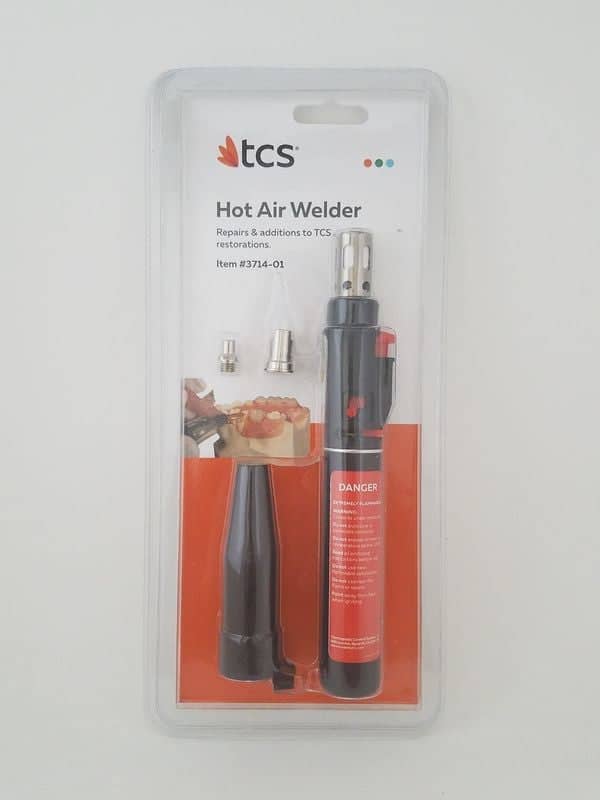
Flexible TCS partials can still be modified, but the path is different. Unbreakable and iFlex are repaired by re-injection, and small repairs, air bubbles, clasps and one tooth additions can be made with the TCS Hot Air Welder or the JP90 injector. The final choice of appliance is always a clinical decision for the treating dentist.
What about Karadent: the middle ground?
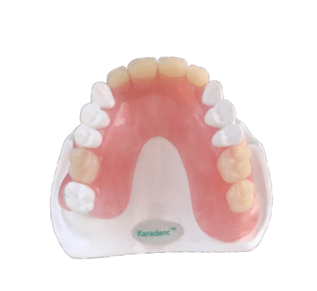
Karadent by TCS is a semi-rigid, microcrystalline polymer thermoplastic for cases that need more stability than a flexible partial. TCS calls it an ideal upgrade from acrylic dentures, with the stability and simplicity of acrylic and metal partials without compromising aesthetics.
It is used for full dentures, semi-flexible partials, clear clasps, frameworks and nightguards. Details on every shade and cartridge size are in our Karadent by TCS guide.
How should patients care for a flexible partial?
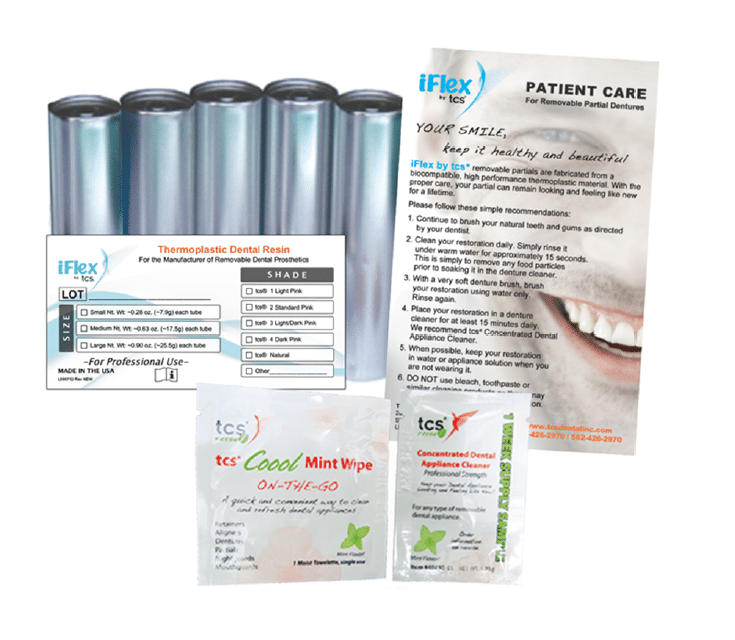
Daily soaking in a dedicated cleaner keeps flexible partials looking new. TCS Concentrated Denture and Appliance Cleaner, Mint (6 month supply) dissolves stains that brushing leaves behind, including coffee, tea, tobacco and iron stains.
TCS directs patients to soak the appliance for at least 15 minutes a day, and flexible partials can be left soaking overnight. The cleaner is also safe for nightguards, acrylic dentures, aligners and sportsguards, though appliances with soft liners should not soak longer than 15 minutes.
Every TCS cartridge pack includes delivery bags, patient care instructions and cleaner samples, so the lab can send each case out ready for the patient. Good finishing helps too; see our guide to finishing and polishing flexible partials.

Shop the Products


Frequently Asked Questions
Are flexible partials better than acrylic partials?
Neither is better for every patient. Flexible partials offer tissue colored clasps, light weight and a monomer free material, while acrylic partials are rigid and easy to reline or add to with conventional methods.
What are TCS flexible partials made of?
TCS flexible partials are made from TCS Unbreakable, a nylon thermoplastic, or TCS iFlex, a polyolefin thermoplastic. TCS also makes Karadent, a semi-rigid microcrystalline polymer for cases that need more stability.
Can a flexible partial be added to or repaired?
Yes. TCS Unbreakable and iFlex can be repaired by re-injection. Small repairs, air bubbles, clasps and one tooth additions can be made with the TCS Hot Air Welder or the JP90 injector.
Are flexible partials an option for patients allergic to acrylic?
TCS describes Unbreakable as biocompatible and ideal for patients allergic to acrylic monomer, and both Unbreakable and iFlex are monomer free. The treating dentist should confirm the right material for each patient.
How should a flexible partial be cleaned?
Soak it in TCS Concentrated Denture and Appliance Cleaner for at least 15 minutes a day; flexible partials can also soak overnight. The cleaner removes coffee, tea, tobacco and iron stains that brushing leaves behind.
Related Guides
Flexible and acrylic partials each have a place, and a lab that offers both, plus Karadent for the cases in between, can say yes to more prescriptions. Shop the full TCS (Thermoplastic Comfort Systems) range at Chase Dental Supply, compare other lab brands in our dental lab and office supply brands guide, or email sales@chasedentalsupply.com with questions.
Add TCS Flexible Partials to Your Menu
Talk with Chase Dental Supply about TCS materials, injectors and finishing supplies for your lab.


Leave a Reply